
When the Health Care Subsidies Disappear, So Do the Illusions

Written by Carol Black
This morning, my phone rang—like it does almost every day.
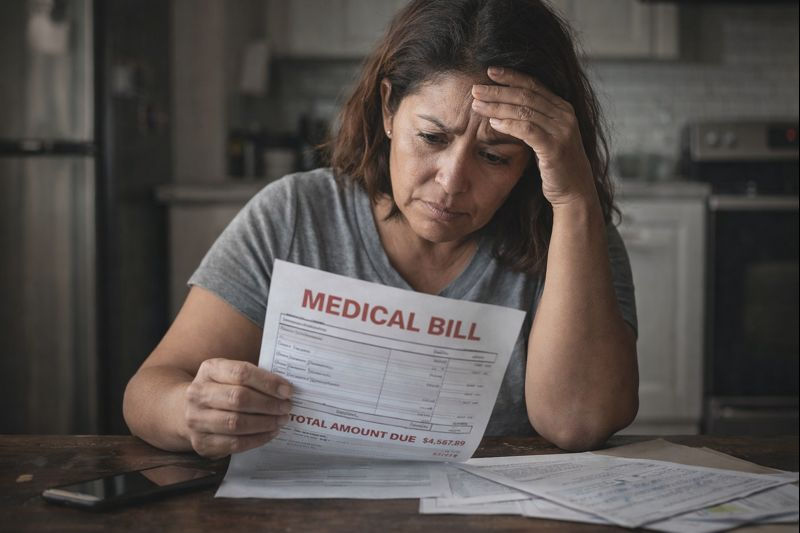
A working mother left me a voicemail, her voice shaking but composed in the way people get when they’re trying not to fall apart. She had just received an invoice from Highmark for an “exceptional amount of money.” Another bill came from an urgent care visit for her daughter. She was told they had no coverage at all.
She didn’t know what to do.
She couldn’t afford it.
She just needed help.
This isn’t an isolated incident. This is the system working exactly as designed.
With federal health insurance subsidies set to expire, millions of Americans are about to learn very quickly that coverage on paper does not always mean protection in real life. Premiums will rise. Deductibles will remain impossible. Networks will shrink. And families who did everything “right” will still end up holding bills they can’t pay.
I know this because I’m the one who gets the calls after the policy announcements, after the press releases, and after the politicians move on to the next headline.
People assume the Affordable Care Act solved the problem. It didn’t. It stabilized. barely. And now, as subsidies disappear, we’re pulling out the last support beam while pretending the house won’t collapse.
Here’s what policymakers don’t hear enough:
People aren’t dropping coverage because they don’t value healthcare.
They’re dropping it because they’re choosing between insurance premiums and groceries, between deductibles and rent.
A parent shouldn’t find out their child “wasn’t covered” after seeking care. A working family shouldn’t be one urgent care visit away from financial ruin. And no one should have to leave a voicemail begging for help because the system is too complex, too expensive, and too indifferent to human reality.
As an insurance professional, I see both sides; the regulations and the repercussions. And I can say this plainly: removing subsidies without structural reform doesn’t save money. It shifts suffering.
It pushes people into medical debt.
It overwhelms emergency rooms.
It punishes work.
And it turns healthcare into a gamble instead of a guarantee.
We don’t have a coverage problem in this country, we have an access and affordability problem. And until we stop treating healthcare like a political bargaining chip instead of a public necessity, the voicemails will keep coming.
They always do.
And every one of them sounds the same:
“I don’t know what to do. I just need help.”
That should be unacceptable in the wealthiest nation on earth.


Comments